

Istanbul Souvenirs Quick Guide: The best souvenirs include Turkish ceramics & İznik tiles, evil eye (nazar) charms, Turkish delight (lokum), hand-blown glass lamps, Turkish coffee & copper cezve sets, hand-woven textiles, leather goods, spices from the Spice Bazaar, olive oil soap, and hammam towels (peştemal). Best shopping: Grand Bazaar for variety, Arasta Bazaar for quality, Spice Bazaar for edibles, and Kadıköy Market for authenticity.
Istanbul has been a trading capital for over 1,500 years, and shopping here is not just commerce — it is culture. The trick is knowing what to buy and, more importantly, where to find the real thing instead of mass-produced replicas.
This guide covers the 10 most worthwhile souvenirs to bring home from Istanbul, with honest pricing, quality indicators, and specific shopping recommendations for each item.
The 10 Best Istanbul Souvenirs
1. Turkish Ceramics & İznik Tiles
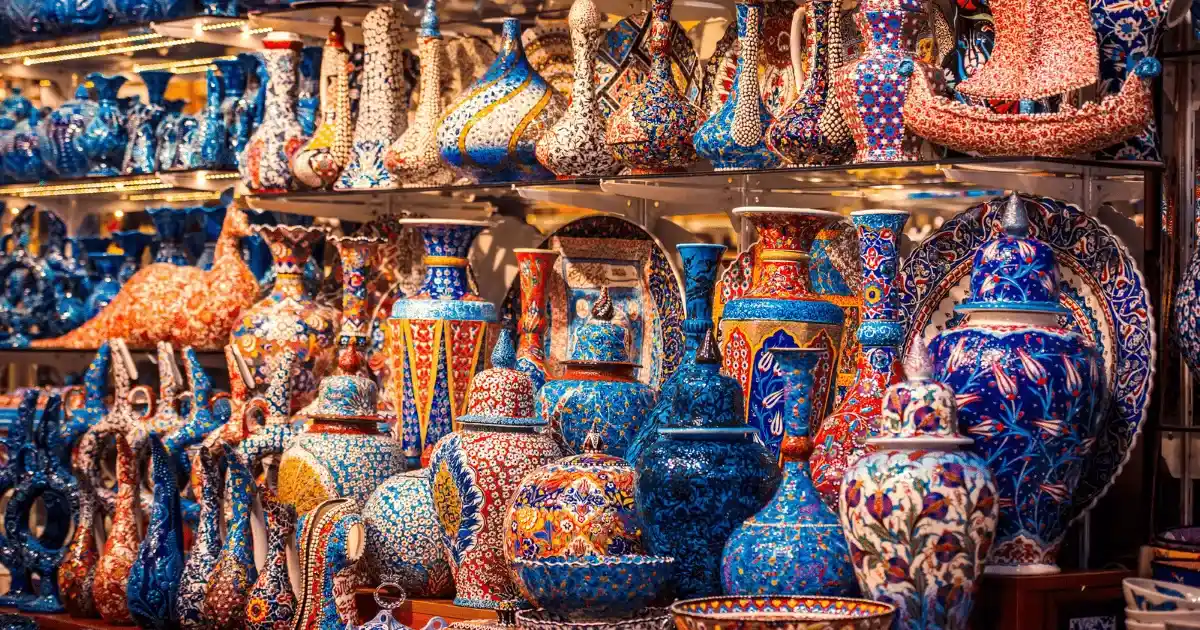
Hand-painted ceramics are the quintessential Istanbul souvenir. The tradition dates back to 16th-century İznik, where artisans produced tiles for Ottoman palaces and mosques — including the famous blue-and-white tiles of the Blue Mosque.
What to look for: Hand-painted pieces (not printed transfers). Flip the item over — authentic hand-painted ceramics show slight imperfections and brush strokes on the underside. Colors should be vibrant but not garish.
Price range: Small decorative plate: 200–500 TL | Large serving bowl: 500–1,500 TL | Genuine İznik reproduction tile: 1,000–5,000+ TL
Where to buy:
2. Evil Eye Charms (Nazar Boncuğu)
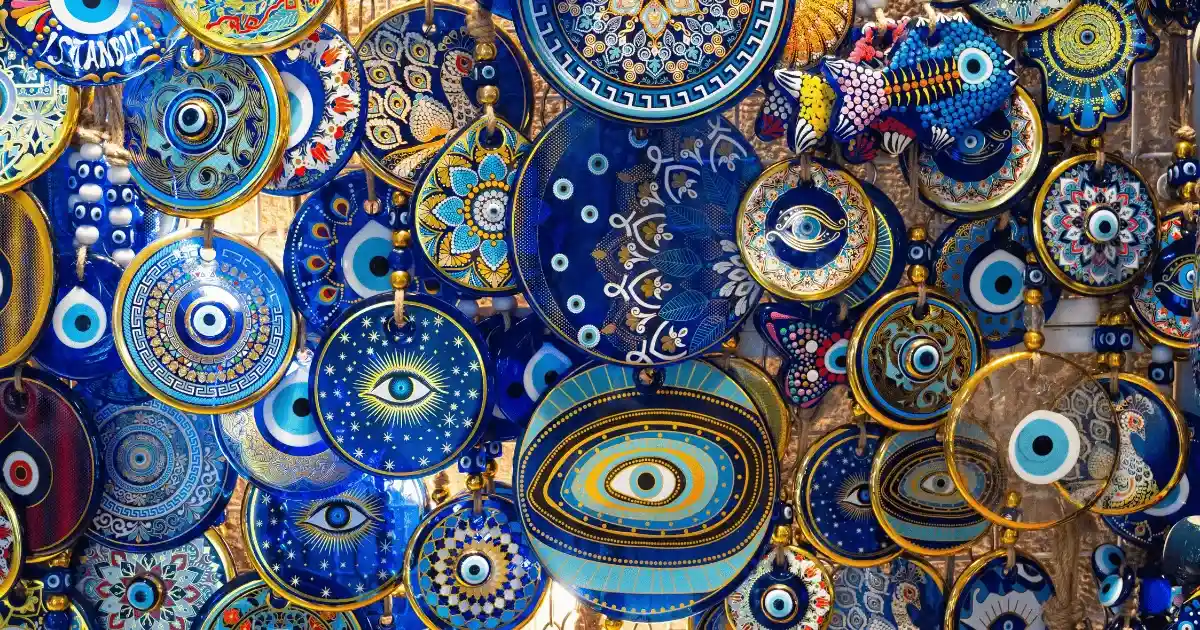
The blue glass nazar boncuğu is Turkey's most iconic protective talisman. You will see it everywhere — on doors, in cars, on jewelry, and as keychains. It is believed to ward off the "evil eye" (jealousy or ill will from others).
What to look for: Glass pieces made in Gordiion or Beykoz using traditional lamp-working techniques. Avoid plastic versions.
Price range: Keychain: 20–50 TL | Wall hanging: 100–400 TL | Jewelry pieces: 150–1,000+ TL
Where to buy: Available everywhere, but the Grand Bazaar and Arasta Bazaar offer the widest selection.
3. Turkish Delight (Lokum)

Real Turkish delight is nothing like the stale, powdery cubes found abroad. Freshly made lokum in Istanbul comes in dozens of flavors — rose petal, pistachio, pomegranate, mastic, saffron, double-roasted hazelnut — and the texture should be soft, chewy, and fragrant.
What to look for: Shops that make their own lokum daily. Avoid pre-packaged tourist boxes near Sultanahmet.
Price range: 500g gift box: 150–400 TL depending on ingredients (pistachio is most expensive)
Where to buy:
4. Hand-Blown Glass Lamps (Turkish Mosaic Lamps)

The colorful mosaic glass lamps hanging in bazaar shops create one of Istanbul's most magical visual experiences. While not technically "ancient," these decorative lamps have become synonymous with Turkish craftsmanship.
What to look for: Hand-assembled glass pieces (not painted globes). Each glass fragment should be individually placed in a mosaic pattern.
Price range: Small table lamp: 300–800 TL | Hanging pendant: 500–1,500 TL | Chandelier: 2,000–10,000+ TL
Where to buy: Grand Bazaar (Perdahçılar Sokak has the highest concentration), and shops on Arasta Bazaar.
Shipping tip: Most reputable lamp shops offer international shipping with proper packaging. Ask about this before purchasing large pieces.
👉 Best Workshops in Istanbul – Unique Experiences You Can’t Miss in 2025
5. Turkish Coffee & Copper Cezve Set

A complete Turkish coffee set — ground coffee, a traditional cezve (long-handled coffee pot), and small porcelain fincan cups — makes a practical and culturally meaningful gift.
What to look for: Hand-hammered copper cezve (not machine-stamped). Mehmet Efendi or Kurukahveci Nuri Toplar coffee brands for authentic flavor.
Price range: Copper cezve: 200–600 TL | 250g ground coffee: 80–150 TL | Complete gift set: 400–1,200 TL
Where to buy:
6. Hand-Woven Textiles (Carpets, Kilims & Suzani)

Turkish carpets and kilims are among the most prized textile arts in the world. Prices vary enormously based on material (silk vs. wool), knot density, origin region, and age.
What to look for: Ask about knot count, materials, and region of origin. A genuine hand-knotted carpet will have slight irregularities; machine-made copies are perfectly uniform. Fold the carpet back — you should see the knots clearly on the reverse side.
Price range: Small kilim (60×90 cm): 500–2,000 TL | Medium carpet (120×180 cm): 3,000–15,000 TL | Fine silk carpet: 10,000–100,000+ TL
Where to buy: Grand Bazaar carpet shops (dedicated carpet shops, not general souvenir stores). Ask for a certificate of authenticity for valuable pieces.
7. Leather Goods
Turkey has a strong leather industry, and Istanbul's workshops produce bags, jackets, belts, and wallets at prices significantly lower than European equivalents.
What to look for: Full-grain leather (not bonded or faux). Check stitching quality and hardware. Genuine leather shops will let you smell and feel the material.
Price range: Leather wallet: 200–600 TL | Leather bag: 800–3,000 TL | Leather jacket: 2,000–6,000 TL
Where to buy: Grand Bazaar (many shops offer on-site tailoring and customization), and the leather workshops of Beyoğlu.
8. Spices & Tea from the Spice Bazaar

The Spice Bazaar (Mısır Çarşısı) is the obvious destination, but the vendors just outside the bazaar in Eminönü often offer better prices.
Best buys:
Price range: 100g spice packets: 30–80 TL | Saffron (1g): 50–150 TL | Tea (500g): 80–200 TL
9. Olive Oil Soap (Zeytinyağı Sabunu)
Handmade olive oil soap — often infused with laurel, lavender, or rose — is a practical, lightweight, and affordable souvenir. The tradition comes from southeastern Turkey's ancient soap-making heritage.
What to look for: Natural ingredients, minimal packaging. Daphne (laurel) soap from Antakya is particularly prized.
Price range: Single bar: 20–60 TL | Gift set: 100–300 TL
Where to buy: Spice Bazaar, Grand Bazaar, and specialty shops in Karaköy.
10. Hammam Towels (Peştemal)

The peştemal is the traditional flat-woven cotton towel used in Turkish baths. Lighter, faster-drying, and more compact than terry cloth towels, peştemals have become globally popular for beach use, home décor, and travel.
What to look for: 100% cotton, hand-loomed versions. Machine-made versions are acceptable and much cheaper. Check the weight and weave tightness.
Price range: Machine-made: 100–250 TL | Hand-loomed: 300–800 TL
Where to buy: Grand Bazaar (Yağlıkçılar Caddesi), Arasta Bazaar, and specialty shops in Sultanahmet.
Shopping Guide: Where to Buy What
Haggling Tips for Istanbul Shopping
Frequently Asked Questions
Turkish ceramics (hand-painted İznik-style plates and bowls) are the most visually striking and culturally significant souvenirs. For food lovers, Turkish delight from Hacı Bekir or a Turkish coffee set are excellent choices.
The Grand Bazaar offers the widest selection but requires good haggling skills. The Arasta Bazaar near Sultanahmet is smaller, less hectic, and generally higher quality. The Spice Bazaar is best for edible souvenirs.
Yes, but buy from reputable dealers in the Grand Bazaar who provide certificates of authenticity. Be cautious of extremely low prices (they indicate machine-made products) and high-pressure sales tactics.
Free initial consultation
We would be pleased to talk about your expectations. You can contact us by phone at +90 544 870 11 34 , email to support@istanbul-tourist-information.com or by using the contact form.